Kitui
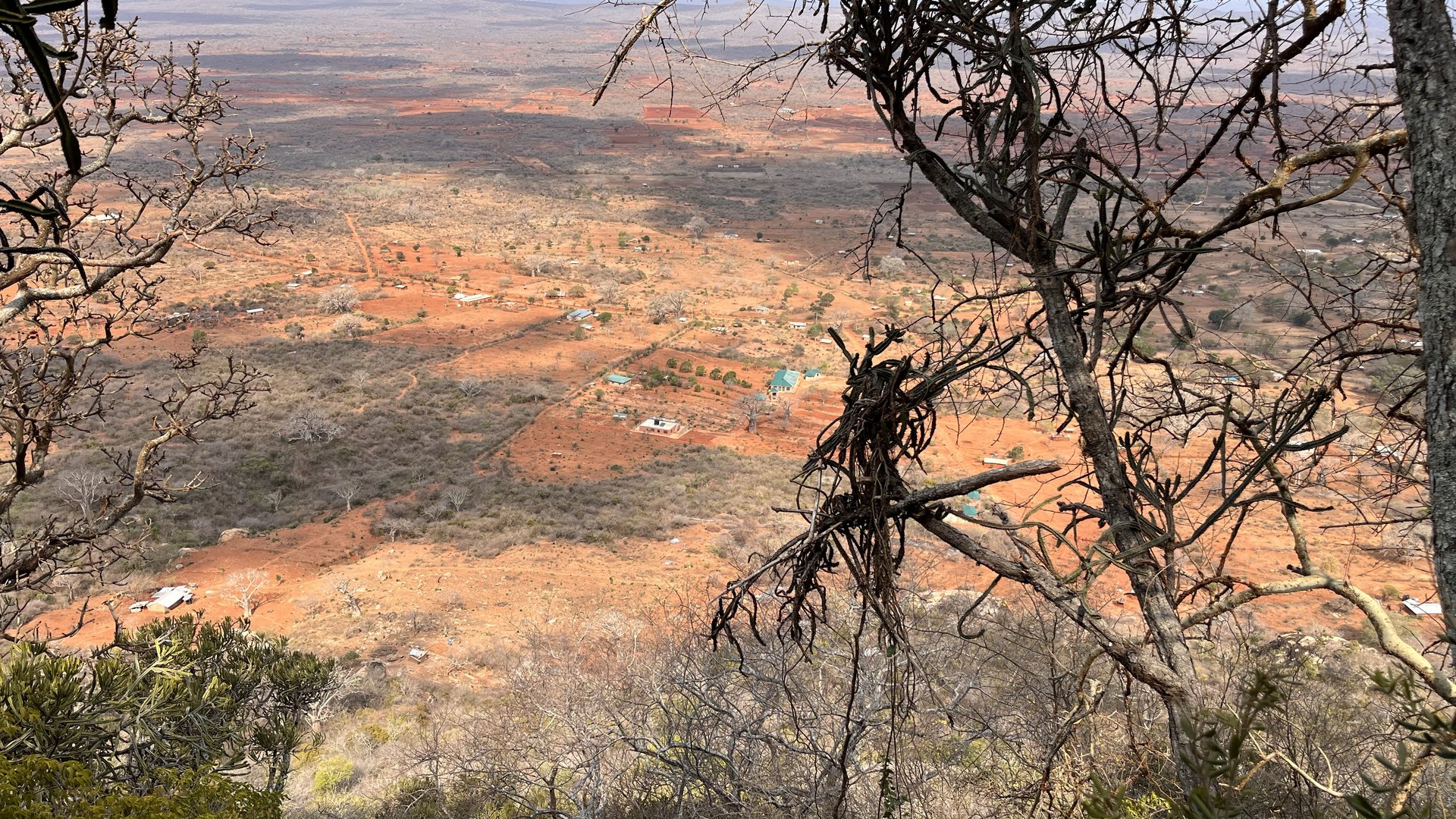
Proposed to serve Kitui, Makueni, Machakos and nearby eastern counties through dryland feedstock aggregation and possible pre-processing.

Facility network
Mavueni is the 2027–2030 priority. Future facilities proceed only when feedstock, off-take, permits, logistics, technology and finance are proven.
Mavueni, Kilifi County
The five-acre Crostar Energy Hub will combine feedstock reception, seed preparation, pressing, UCO pre-treatment, laboratory functions, controlled pilot conversion, storage, training and co-product management.
Mavueni is positioned near coastal agricultural zones, hospitality and food-service UCO sources, the Nairobi–Mombasa corridor and port logistics. Its primary purpose is to create defensible technical and commercial evidence before replication.
Proposed national network
Eastern dryland aggregation, castor and suitable oilseed pre-processing.
Pilot, laboratory, training, quality and commercial nucleus.
Croton, canola, UCO and Central Highlands logistics.
Lake Region cottonseed, sunflower, castor and UCO aggregation.
Port-facing, LAPSSET-aligned storage, trade and regional platform.
Proposed facility network subject to evidence, approvals and board-approved investment gates.
Regional facility propositions
Proposed to serve Kitui, Makueni, Machakos and nearby eastern counties through dryland feedstock aggregation and possible pre-processing.
Proposed to serve Homa Bay, Migori, Kisumu, Siaya, Kisii, Nyamira and nearby Lake Region counties, including cottonseed and UCO pathways.
Proposed to serve Nyeri, Murang’a, Kirinyaga, Embu, Laikipia, Meru and nearby Central Highlands counties, with croton, canola and UCO opportunities.
Proposed as a port-facing platform aligned with Lamu Port and LAPSSET, supporting storage, logistics, regional trade and future industrial linkages.
Why Lamu matters
Lamu can connect coastal and northern feedstock systems to storage, shipping, regional buyers and the wider LAPSSET corridor.
Any Crostar facility will be designed around standalone commercial logic and will not depend on a single external project. The proposition may include port-compatible tankage, pre-treatment, aggregation, testing, logistics coordination and renewable-feedstock trade, subject to approvals and feasibility.
Investment gates
| Gate | Evidence required | Decision |
|---|---|---|
| 1. Resource and opportunity | Verified feedstock inventory, seasonality, supplier economics, land and safeguard review. | Proceed to structured pre-feasibility or stop. |
| 2. Site and technology | Site control, infrastructure, logistics, environmental pathway, equipment configuration and cost. | Approve a defined facility concept. |
| 3. Market and finance | Qualified buyers, product specifications, trial acceptance, credible off-take and bankable finance. | Approve financing and procurement. |
| 4. Implementation readiness | Permits, funded budget, project controls, contractors, commissioning plan and responsible leadership. | Build only after formal approval. |
County and corridor partnerships
Crostar welcomes county governments, farmer organisations, UCO generators, logistics operators, buyers and investors with credible data and implementation capacity.
Discuss a regional opportunity