Used cooking oil
A circular feedstock collected through documented agreements, controlled containers, sampling, pre-treatment and chain-of-custody records.
The Crostar platform
A modular operating model combining responsible supply, processing, quality systems, circular co-products and digital traceability.
Responsible feedstock hierarchy
Crostar avoids dependence on one crop. Supply is developed in a sequence that prioritises waste recovery and co-products before dedicated energy crops.
A circular feedstock collected through documented agreements, controlled containers, sampling, pre-treatment and chain-of-custody records.
A strategic co-product of Labl Farms’ cotton value chain, creating additional value without requiring a separate energy-only land allocation.
An existing landscape resource whose commercial use depends on sustainable harvesting, aggregation economics and traceable collection.
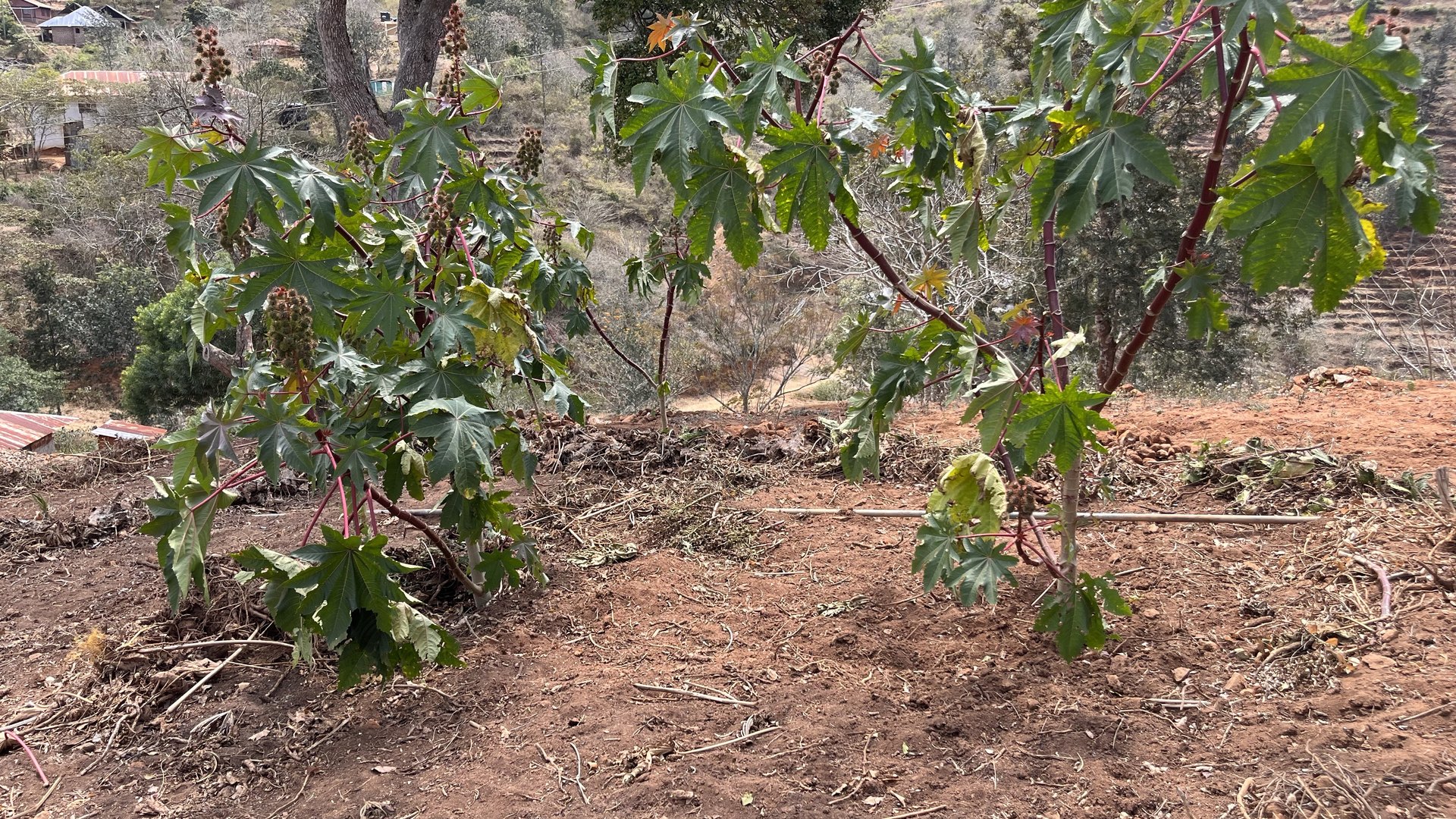
A non-food oilseed opportunity for suitable dryland systems, subject to safe handling, verified varieties, yields and farmer economics.
Considered where climate, rotation, seed availability, food-market competition and buyer demand support responsible production.
Maintained as a controlled research and diversification option until multi-season agronomic and commercial evidence supports any expansion.
Farmer supply model
Mavueni pilot and commercial nucleus
The pilot facility will test technical, logistical and economic performance before full-scale commercial expansion.
Supplier verification, weighing, sampling, moisture and impurity checks, batch coding and controlled storage.
Cleaning, drying, conditioning and mechanical pressing for approved oilseed feedstocks.
UCO filtration and pre-treatment, oil characterisation, laboratory testing and controlled pilot conversion where licensed.
Specification review, storage, buyer sampling, logistics and responsible co-product management.

Product and market pathways
Qualified oils for industrial or renewable-fuel applications, depending on tested composition and buyer requirements.
Filtered and conditioned oils for downstream processors, subject to customer-specific parameters.
Controlled trials only where licensing, standards, safety systems and product testing are in place.
Co-products evaluated for safe industrial, agricultural or energy applications; toxic feedstocks are never represented as animal feed.
Recovery and market development follow quality, safety, environmental and commercial feasibility.
Supplier, batch, mass-balance and sustainability evidence supporting qualified transactions and partnerships.
Crostar Energy Operating System
CEOS is designed to connect supplier identity, farm or collection-point records, contracts, deliveries, laboratory data, inventory, payments, safeguards and buyer reports. It is an operational governance system—not a promotional database.

Supply or buy
We welcome qualified feedstock suppliers, UCO partners, laboratories, technology providers, downstream processors and buyers.
Discuss a commercial pathway